Brick Repointing for Historic Buildings
Philadelphia's historic brick homes are built to last, but aging mortar eventually begins to break down from years of moisture exposure, freeze-thaw cycles, and weathering. When mortar joints start cracking, crumbling, or separating from the brick, it's often a sign that repointing is needed to prevent deeper structural damage and water intrusion.
Knowing when to repoint brick can help homeowners avoid costly repairs later. Common warning signs include loose mortar, interior moisture issues, white staining (efflorescence), and visible gaps between bricks. Addressing these issues early helps preserve both the appearance and long-term durability of Philadelphia masonry homes.
When repointing becomes more than cosmetic
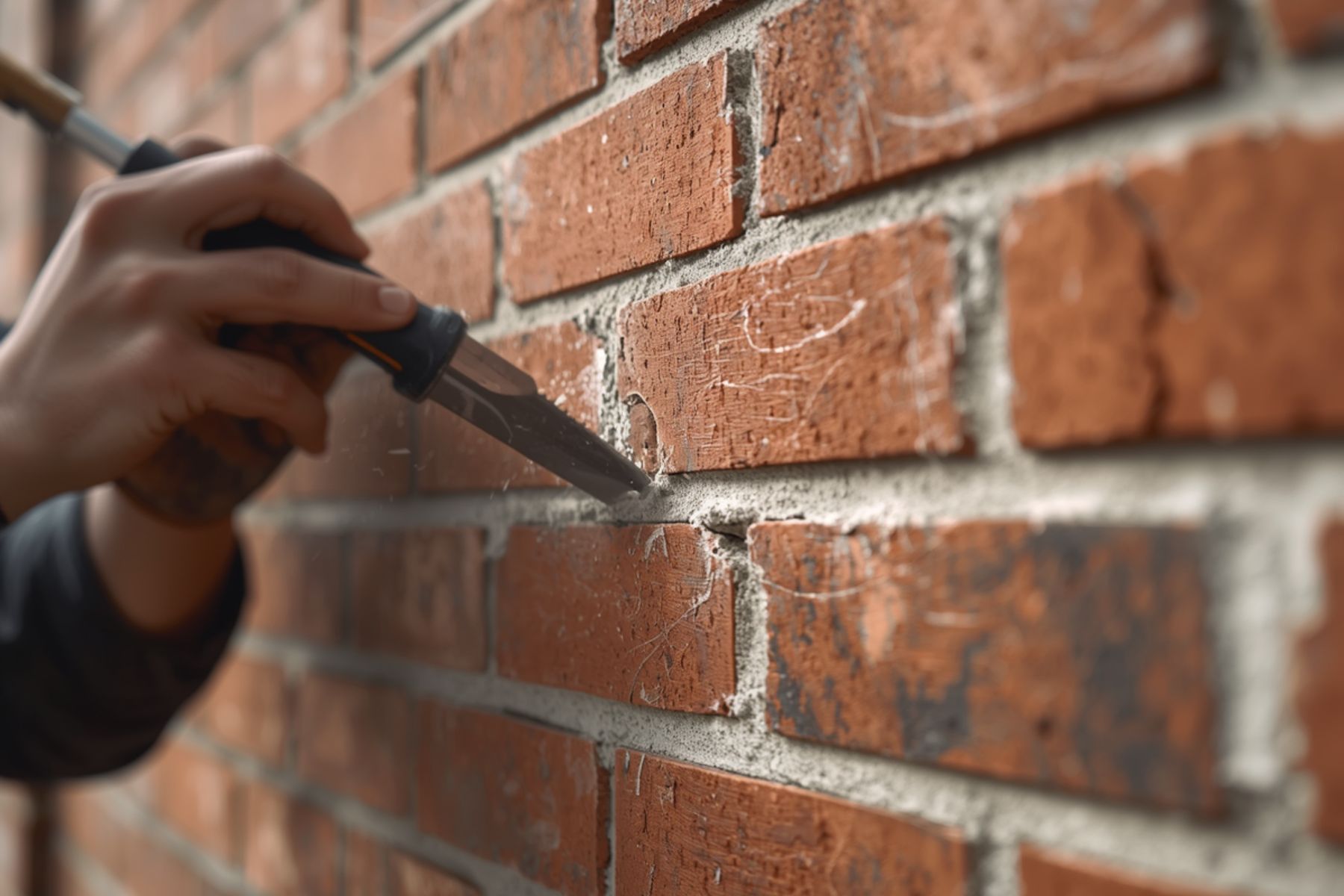
Repointing is not a paint-like surface treatment. Failed joints should be removed to a sound depth and replaced with compatible mortar that allows the wall to shed and release moisture.
- A thin smear over old mortar usually fails quickly.
- Hard mortar around soft brick can accelerate spalling.
- Color matching matters, but compatibility matters more.
Planning a better repair conversation
Good photos, notes about when water appears, and a list of previous repairs help contractors understand the wall before work begins.
- Ask how the crew will avoid damaging brick edges.
- Confirm whether lime mortar repointing is appropriate.
- Discuss roof runoff, coping, and flashing before new joints are installed.
Related Guides
FAQ
Can I repoint only the worst areas?
Spot repointing can help localized failure, but widespread mismatch may look patchy and behave unevenly. The wall condition should guide the scope.
Should brick be sealed after repointing?
Not automatically. Many old walls need to breathe, and film sealers can trap moisture.