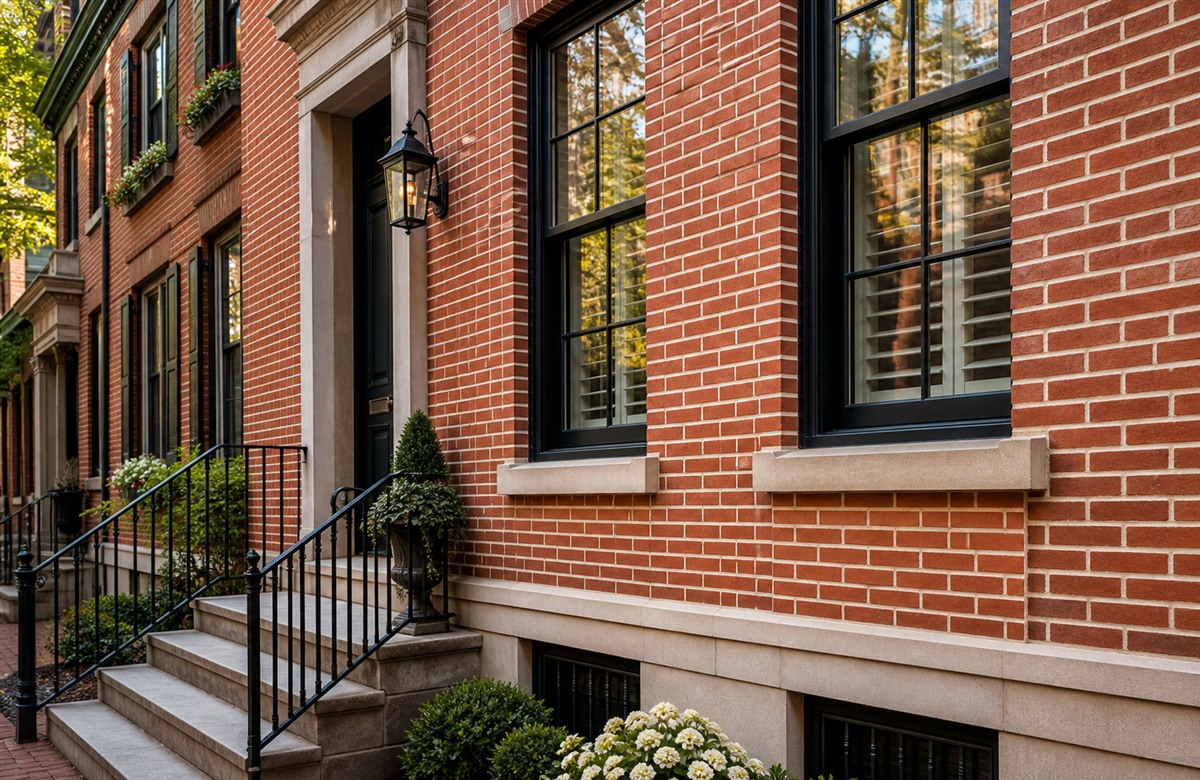
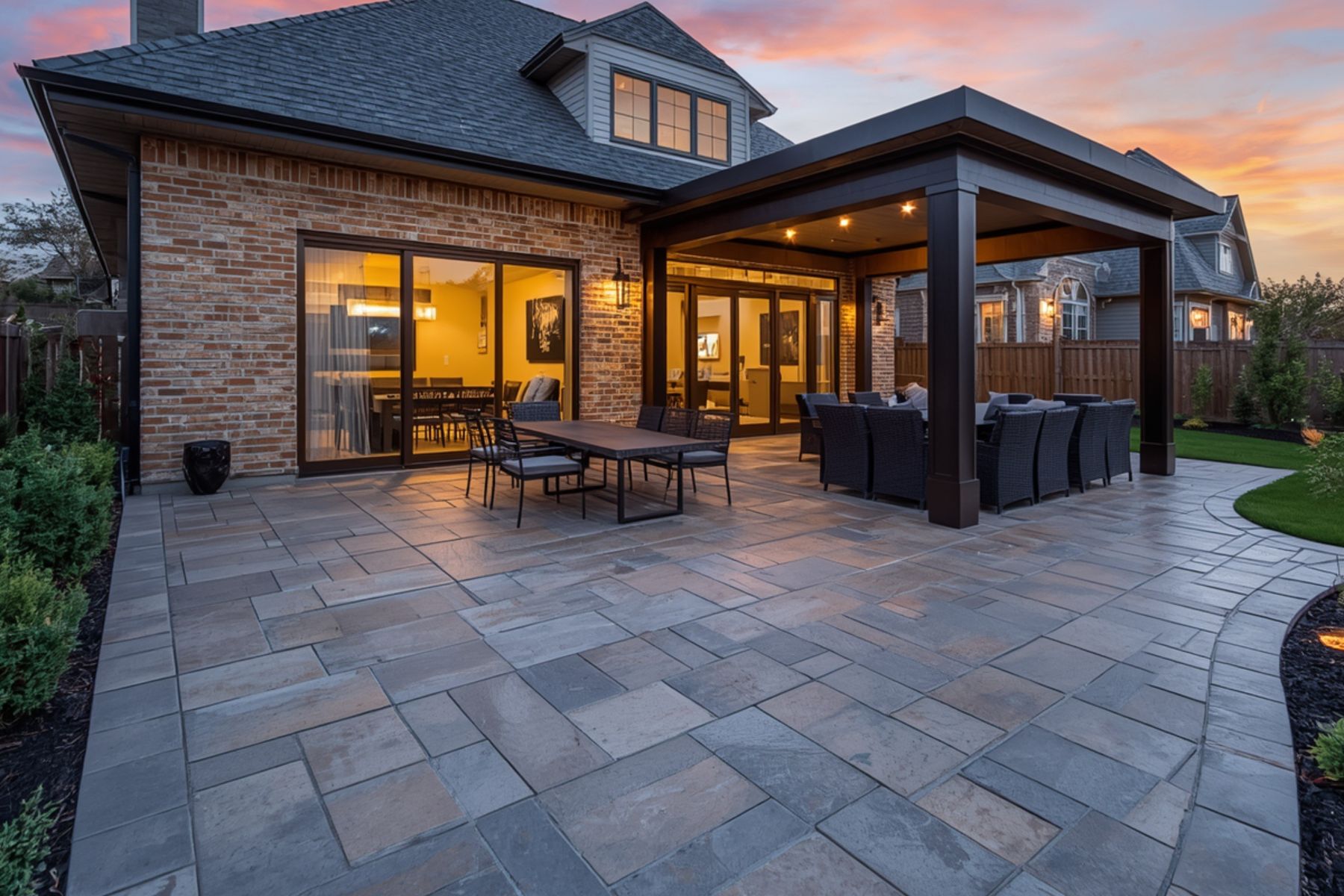
Concrete Patio in Philadelphia, PA
A well-designed concrete patio creates the perfect outdoor space for relaxing, entertaining, and everyday use. Our concrete patio services in Philadelphia focus on building durable, low-maintenance surfaces that look great and perform well over time. We begin with proper site preparation to ensure a solid foundation, followed by precise pouring and finishing for a smooth, even surface. You can choose from standard finishes or decorative options to match your style and enhance your outdoor area. Our patios are built to withstand weather exposure and regular use without losing their appearance or strength. Whether you want a simple layout or a customized design, we tailor every project to your needs. The result is a functional and attractive outdoor space that adds value and comfort to your property.
What This Service Includes
- Patio layout, finish, and access planning
- Slab pitch, drainage, and control joint guidance
- Repair versus replacement recommendations
- Small yard and rowhome outdoor space considerations
- Maintenance planning for furniture, weather, and foot traffic
Why It Matters for Philadelphia Properties
Rear yards and alley spaces often have limited drainage options. A patio that traps water near brick or foundations can create problems beyond the slab.
Common Warning Signs
- Water pooling near doors or masonry walls
- Cracks at corners, steps, or thin slab areas
- Uneven panels that collect debris or become trip points
- Surface wear from shade, salts, or poor curing
Repair and Maintenance Considerations
- Plan furniture use and door clearances before the slab layout is final.
- Use a finish that balances traction and cleanability.
- Coordinate patio pitch with downspouts and adjacent masonry.
Mistakes to Avoid
- Creating a flat patio that cannot drain
- Pouring tight against masonry without considering water movement
- Forgetting access limits for demolition and concrete placement
Related Services
FAQ
How should a patio drain?
A patio should generally pitch away from buildings and toward a safe drainage path that does not undermine nearby masonry.
Can small patios use stamped concrete?
Yes, but the pattern should match the scale of the space and still allow proper joints and drainage.
When should a patio be replaced?
Replacement is often better when slabs move, hold water, crack widely, or have widespread surface failure.
Should a patio connect directly to brick walls?
Patio edges should be detailed so they do not trap water against brick, doors, or foundations. Pitch, joints, and clearances matter in tight rowhome yards.
What should I consider for a small rowhome patio?
Access for demolition and placement, door thresholds, drainage paths, furniture layout, and neighboring walls should be considered before choosing the slab size or finish.