Concrete Services in Philadelphia, PA
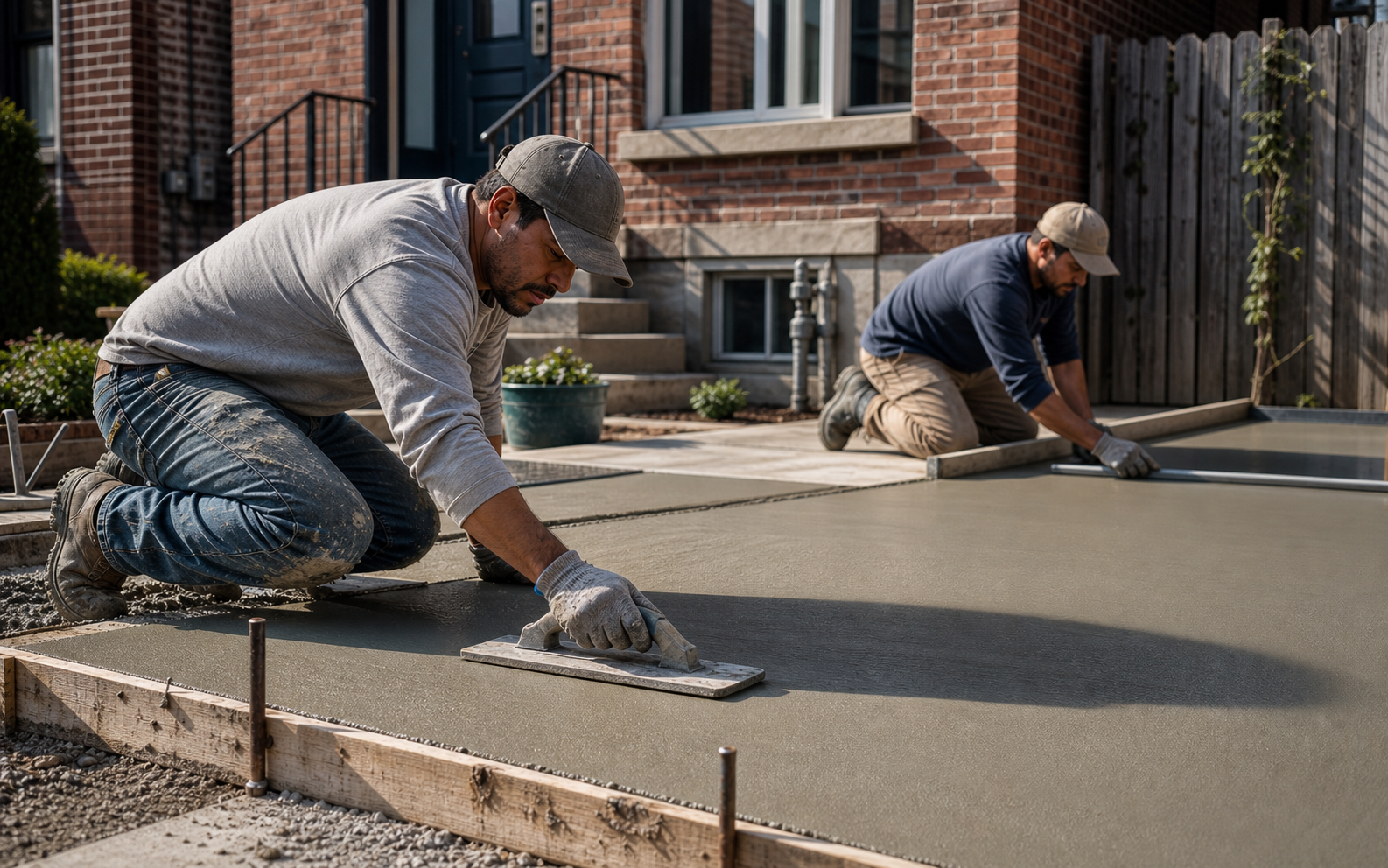
Concrete services are built around durability, performance, and clean, professional finishes. We handle a full range of projects, including driveways, patios, walkways, and foundations, ensuring each one is completed with precision and care. From the initial site preparation to the final finish, we use high-quality materials and proven techniques to deliver long-lasting results.
Every project is tailored to your property, taking into account layout, usage, and overall design goals. Whether you're upgrading an existing surface or starting from scratch, we focus on creating concrete solutions that are both functional and visually appealing. Our team is committed to reliability, clear communication, and consistent workmanship, so you can trust that your project will be completed on time and built to withstand daily use and changing weather conditions.
What This Service Includes
- Concrete sidewalks, patios, driveways, steps, slabs, and foundations
- Crack, spalling, settlement, and surface wear planning
- Replacement versus repair recommendations
- Drainage, control joint, and base preparation guidance
- Maintenance planning for salts, weather, and heavy use
Why It Matters for Philadelphia Properties
Poorly pitched or underprepared concrete can direct water into masonry, settle unevenly, or become a trip hazard. The slab has to work with the property, not just fill the space.
Common Warning Signs
- Cracks that widen, lift, or hold water
- Spalling surfaces or exposed aggregate near edges
- Settled sections that create trip hazards
- Water running toward foundations, stoops, or brick walls
Repair and Maintenance Considerations
- Confirm whether the base is stable before resurfacing.
- Use joints to control cracking rather than pretending cracks will not happen.
- Pitch concrete away from masonry and occupied spaces wherever possible.
Mistakes to Avoid
- Resurfacing moving slabs
- Skipping drainage planning in tight yards and alleys
- Using de-icing salts carelessly on newer concrete
Related Services
FAQ
Is concrete repair or replacement better?
Repair can work for stable, localized damage. Replacement is often better when slabs move, drain poorly, or have widespread deterioration.
Why do control joints matter?
Concrete shrinks and moves. Control joints create planned weak points so cracks are less random and easier to manage.
How can concrete protect masonry?
Good pitch and drainage keep water away from brick, stucco, foundations, and interior spaces.
What should be checked before new concrete is poured?
Base stability, drainage pitch, thickness, control joints, access, curing conditions, and nearby masonry should be planned before concrete arrives.
How soon can new concrete be used?
Light foot traffic may be possible after an initial cure, but vehicles and heavy loads need more time. Weather, mix design, slab thickness, and curing protection all affect timing.