Tuckpointing Services in Philadelphia, PA
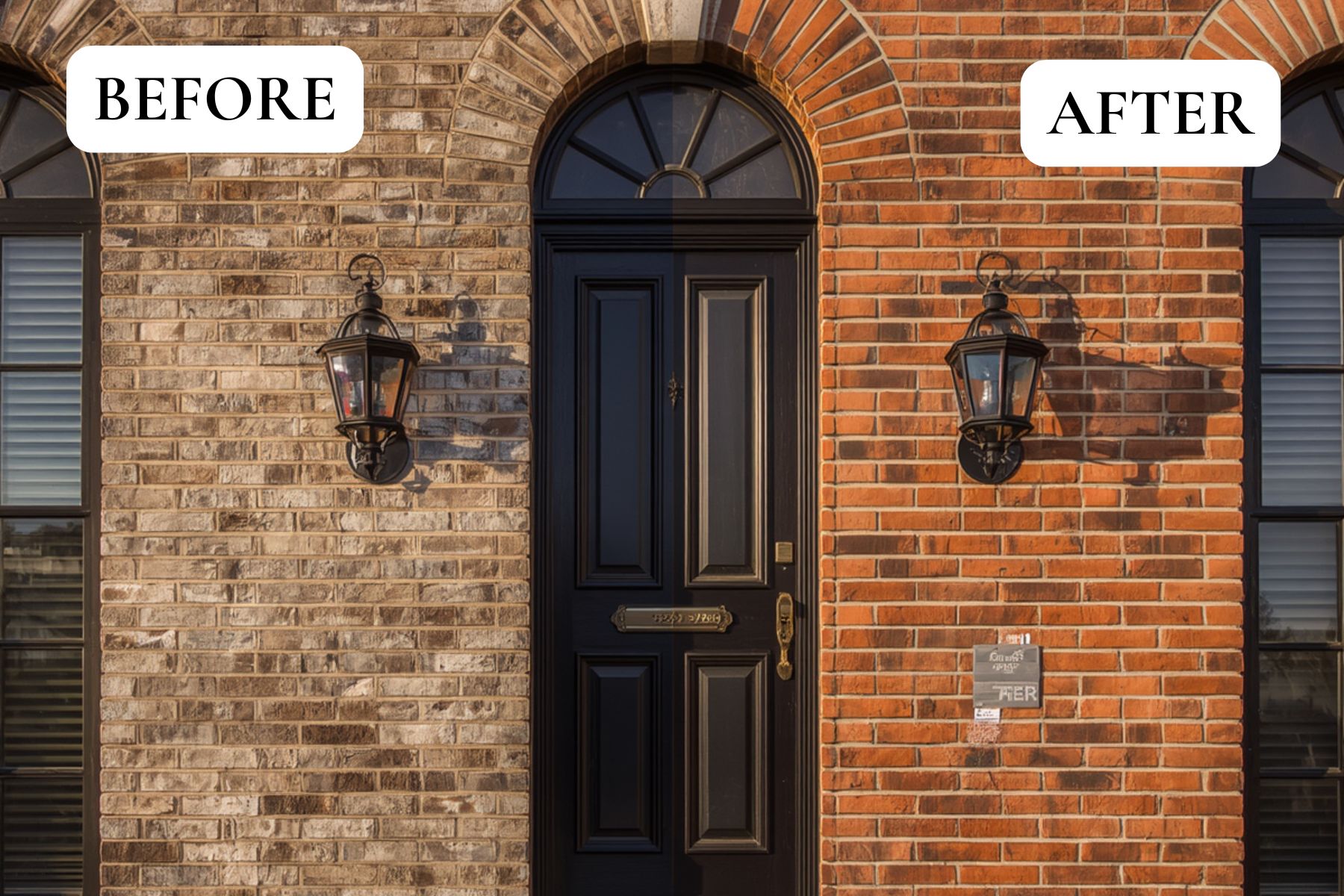
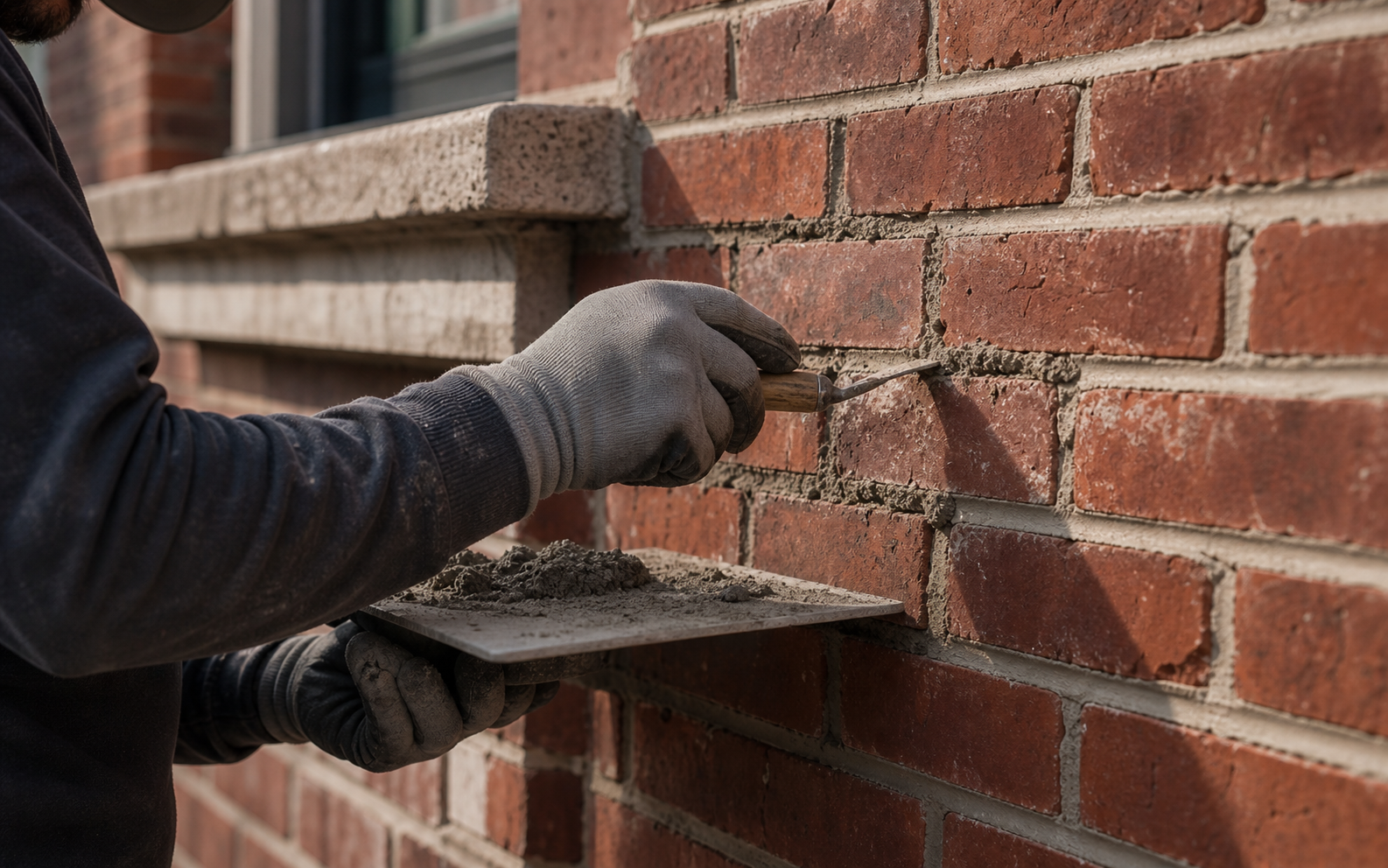
Tuckpointing in Philadelphia is an essential masonry service for preserving the strength, safety, and appearance of brick structures. Over time, weather exposure, moisture, and natural settling cause mortar joints to crack, crumble, and weaken, leaving brickwork vulnerable to further damage. If left untreated, this can lead to water infiltration, structural issues, and costly repairs. Tuckpointing involves carefully removing deteriorated mortar and replacing it with fresh, precisely matched material that restores both stability and visual consistency.
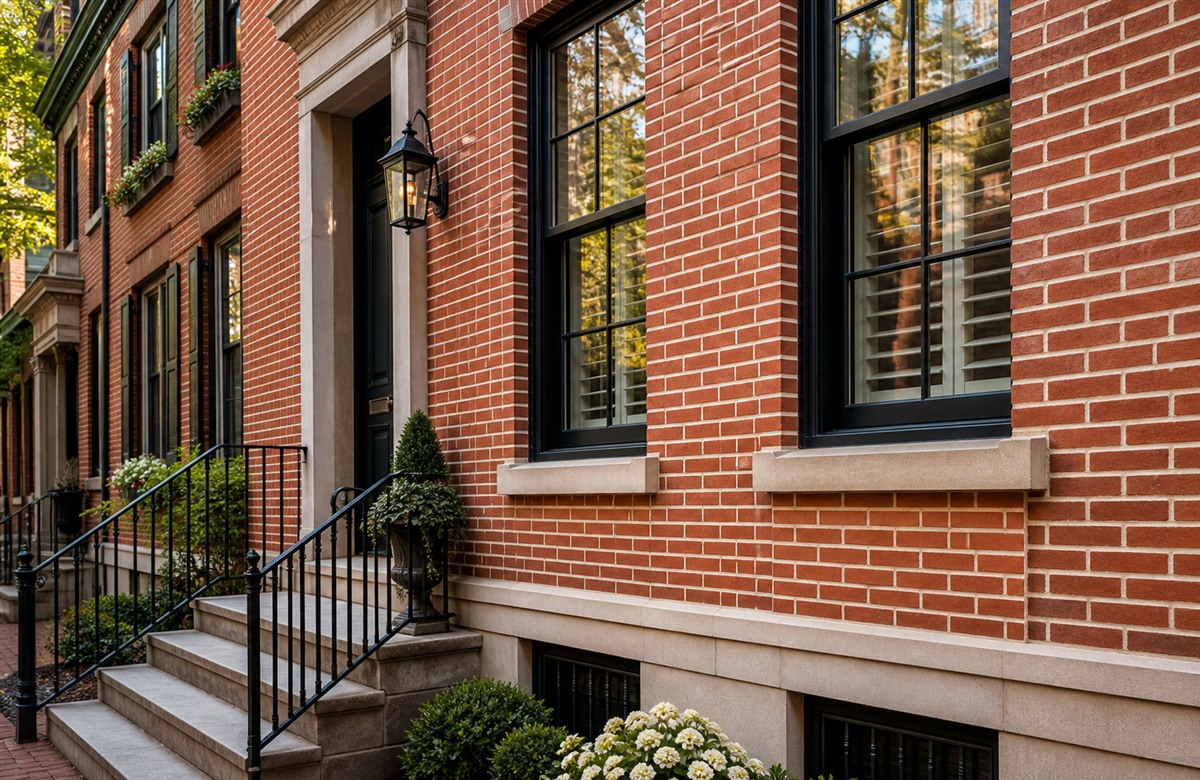
In a city like Philadelphia, where many homes and buildings feature historic brickwork, proper tuckpointing is especially important for maintaining architectural integrity. Our approach focuses on precision craftsmanship and durable materials designed to withstand local climate conditions. The result is stronger masonry, improved weather resistance, and a clean, well-maintained finish that enhances both curb appeal and long-term property value.
What This Service Includes
- Mortar joint review and depth planning
- Compatible mortar selection for older brick
- Joint tooling, color, and finish guidance
- Parapet, chimney, and exposed wall maintenance planning
- Moisture source review before new mortar is installed
Why It Matters for Philadelphia Properties
Older brick can be softer and more vapor-open than modern masonry. Tuckpointing with a dense mix may look clean at first, but it can trap moisture and leave the brick faces to fail first.
Common Warning Signs
- Mortar that is recessed, sandy, cracked, or missing
- Open joints near parapets, chimneys, window heads, or rowhome corners
- White salts, damp plaster, or drafts near exterior walls
- Previous surface smears that are cracking away from the wall
Repair and Maintenance Considerations
- New mortar should be softer than the brick when older masonry requires it.
- Joint preparation matters more than a thin surface application.
- Roof runoff, coping, gutters, and flashing should be handled before the wall is closed up.
Mistakes to Avoid
- Grinding brick edges aggressively
- Using hard Portland-heavy mortar on soft historic brick
- Skipping cured sample panels for visible street-facing work