Foundation Repair Services in Philadelphia, PA
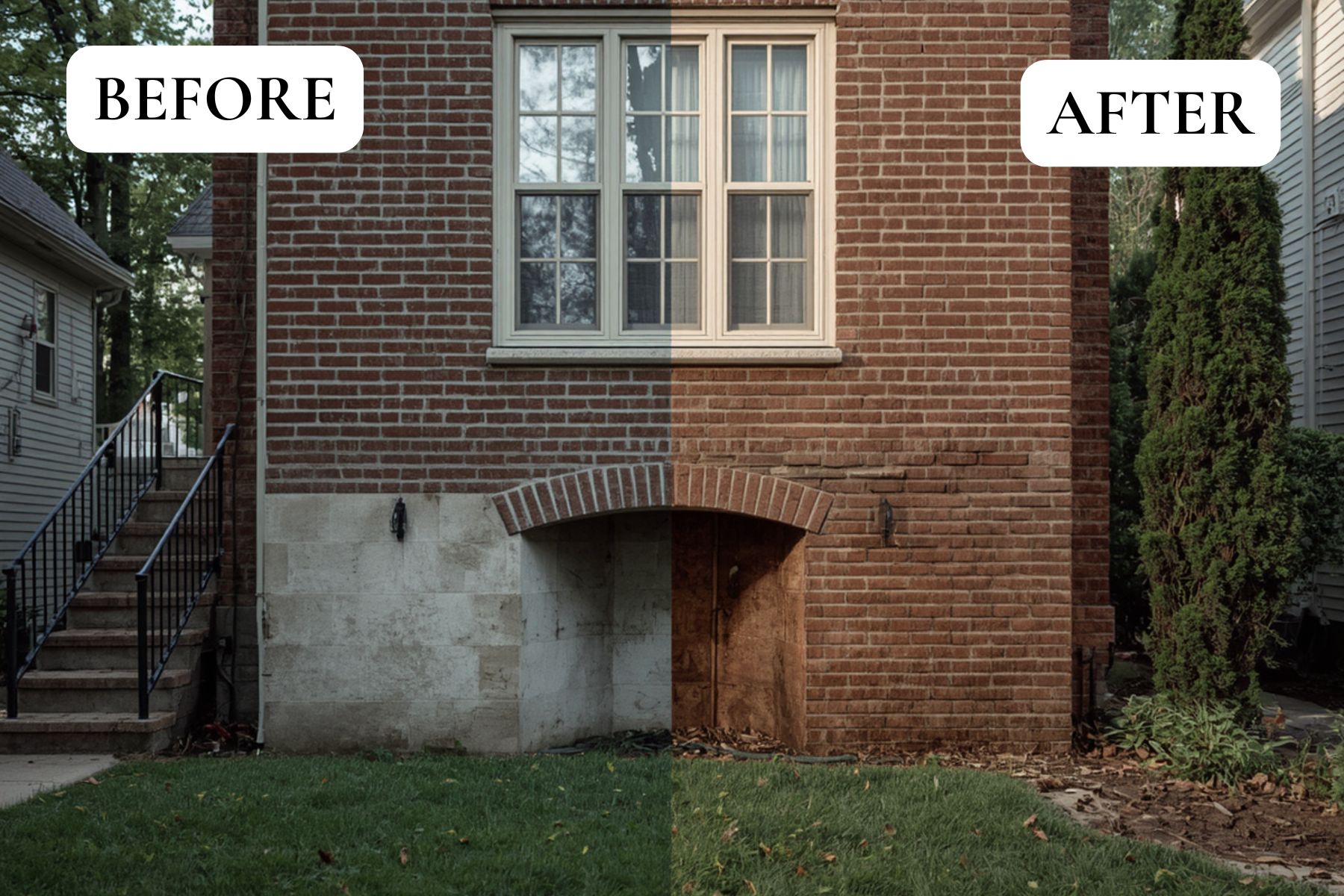
Brick foundation repair is critical for maintaining the structural integrity and safety of your home. Over time, soil movement, water intrusion, and natural settling can cause cracks, shifting, and weakening in brick foundations. These issues should never be ignored, as they can lead to serious structural damage if left untreated.
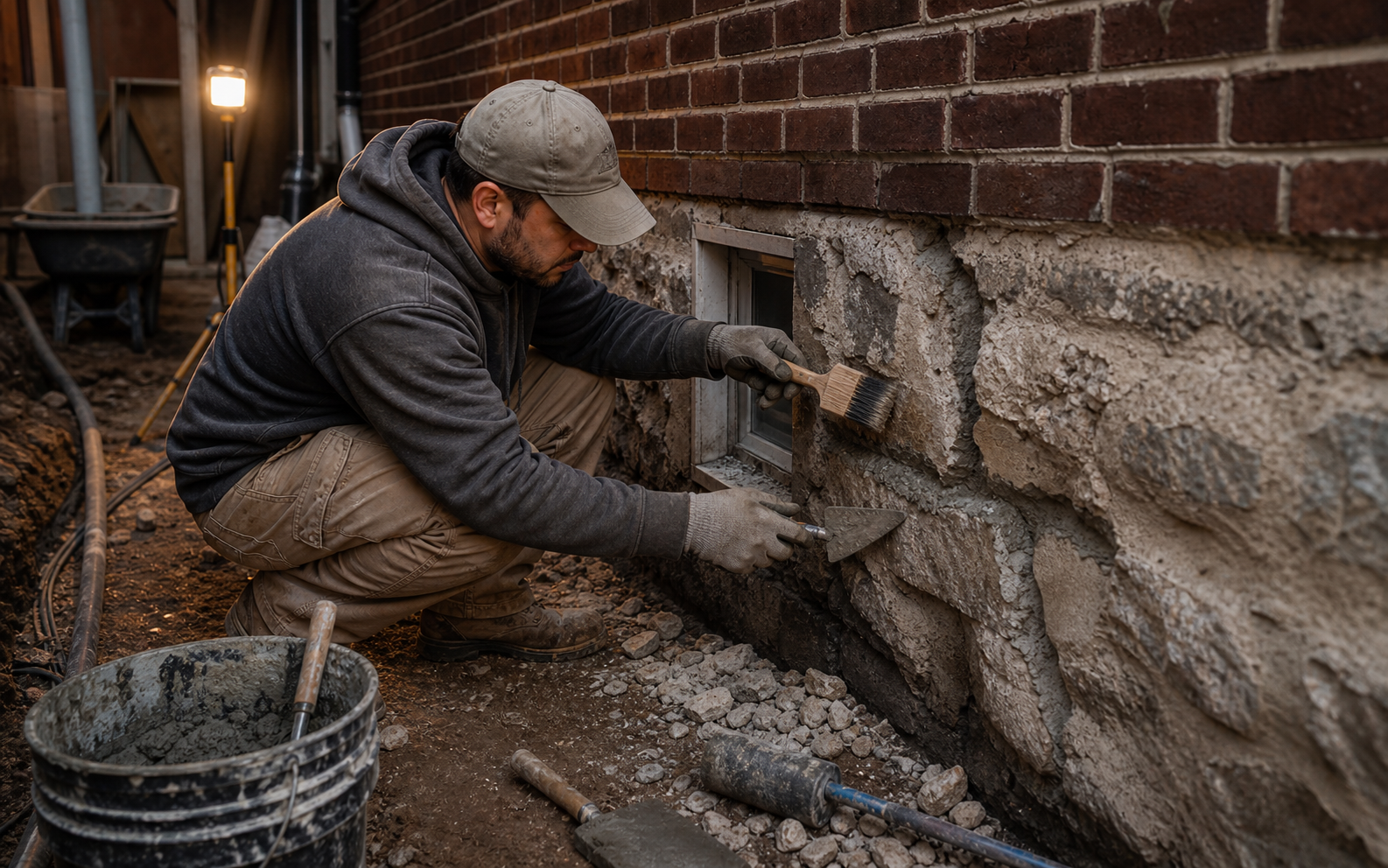
Our approach to brick foundation repair focuses on accurately identifying the root cause of the problem and applying long-lasting solutions that restore strength and stability. Using advanced repair methods and durable materials, we reinforce compromised areas while helping prevent future movement. For homeowners, this means peace of mind knowing their property is supported by a solid, dependable foundation built to withstand the test of time.
What This Service Includes
- Foundation crack and movement pattern review
- Basement wall moisture and drainage planning
- Stone, brick, block, and concrete foundation guidance
- Coordination with exterior grade and roof runoff issues
- Repair planning for settlement, bowing, or water entry signs
Why It Matters for Philadelphia Properties
Older foundations often carry newer loads, changed drainage, and layers of past repair. Treating a crack as cosmetic before understanding movement can hide important evidence.
Common Warning Signs
- Stair-step cracks that widen or continue through multiple walls
- Bowing, leaning, or displaced basement wall sections
- Water entry after storms or chronic dampness at the base of walls
- Doors, windows, or floors that shift along with masonry cracks
Repair and Maintenance Considerations
- Track crack width and moisture timing before work begins.
- Improve grading, gutters, and downspout discharge where possible.
- Use qualified structural guidance for major movement, leaning, or load changes.
Mistakes to Avoid
- Patching cracks without checking water pressure or settlement
- Covering active movement with rigid finishes
- Ignoring exterior drainage because the damage appears indoors