Chimney Repair Services in Philadelphia, PA
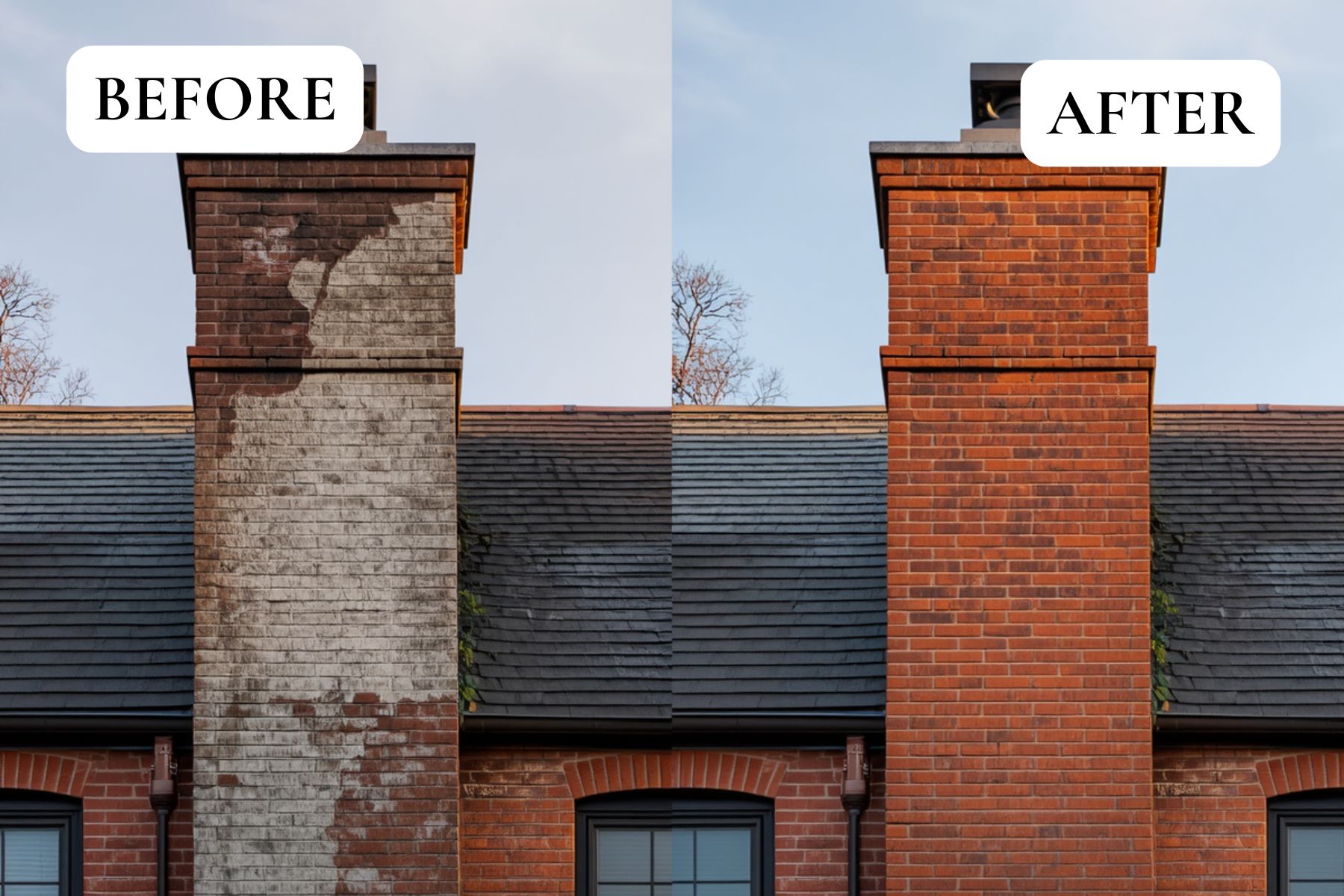
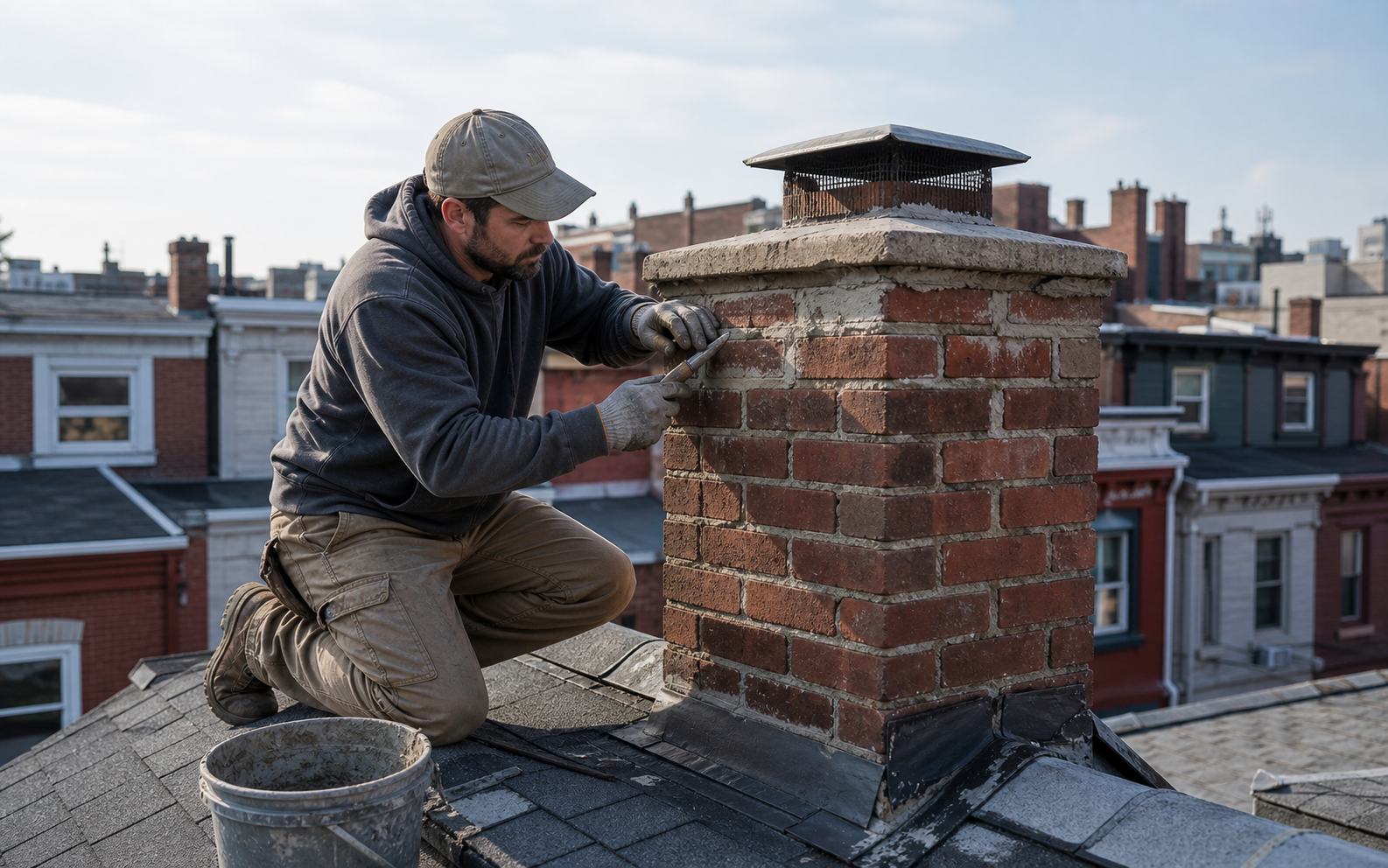
Keep your home safe and efficient with expert chimney repair services in Philadelphia, PA. Over time, exposure to moisture, temperature changes, and general wear can cause cracks, loose bricks, and deteriorating mortar in your chimney. If left untreated, these issues can lead to water damage, structural instability, and reduced performance. Our team specialises in diagnosing and repairing chimney problems with precision, restoring both function and appearance.
From tuckpointing and crown repair to full rebuilds, we use high-quality materials designed to withstand Philadelphia's climate. Every repair is completed with attention to detail, ensuring long-lasting results. Protect your home, improve safety, and extend the life of your chimney with professional service you can rely on.
What This Service Includes
- Chimney mortar, cap, crown, and flashing review
- Brick spalling and leaning stack warning sign guidance
- Repointing and selective rebuild planning
- Water entry and roofline coordination
- Maintenance recommendations before winter exposure
Why It Matters for Philadelphia Properties
A chimney takes rain, wind, freeze-thaw, and roof runoff from all sides. Small cracks at the top can become masonry and interior damage when water enters repeatedly.
Common Warning Signs
- Missing mortar, loose brick, or spalled faces near the top
- Cracked caps, crowns, or wash surfaces
- Rust stains, damaged flashing, or roofline leaks
- Leaning, twisting, or separation from adjacent walls
Repair and Maintenance Considerations
- Check the cap and crown before only repointing the sides.
- Use compatible mortar for older chimney brick.
- Coordinate masonry repairs with roof flashing and waterproofing details.
Mistakes to Avoid
- Ignoring top-side water entry
- Coating the chimney without fixing cracks or caps
- Waiting until winter when freeze-thaw expands small defects