Brick Pointing Services in Philadelphia, PA
Brick pointing is an essential masonry service that helps maintain the strength, durability, and appearance of brick structures. Over time, the mortar between bricks naturally deteriorates due to weather exposure, moisture, and temperature fluctuations. When this happens, gaps and cracks begin to form, allowing water to penetrate and gradually weaken the masonry.
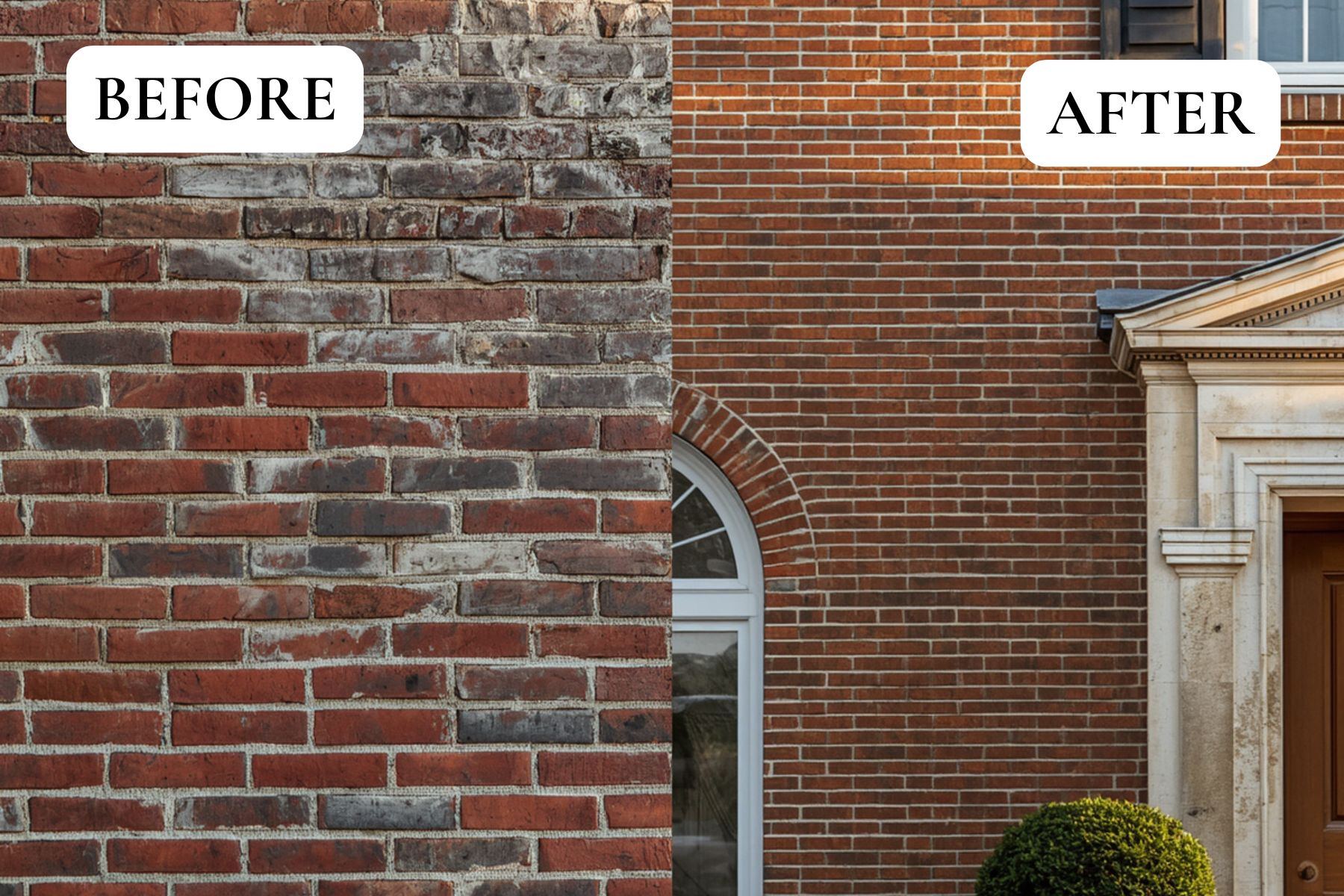
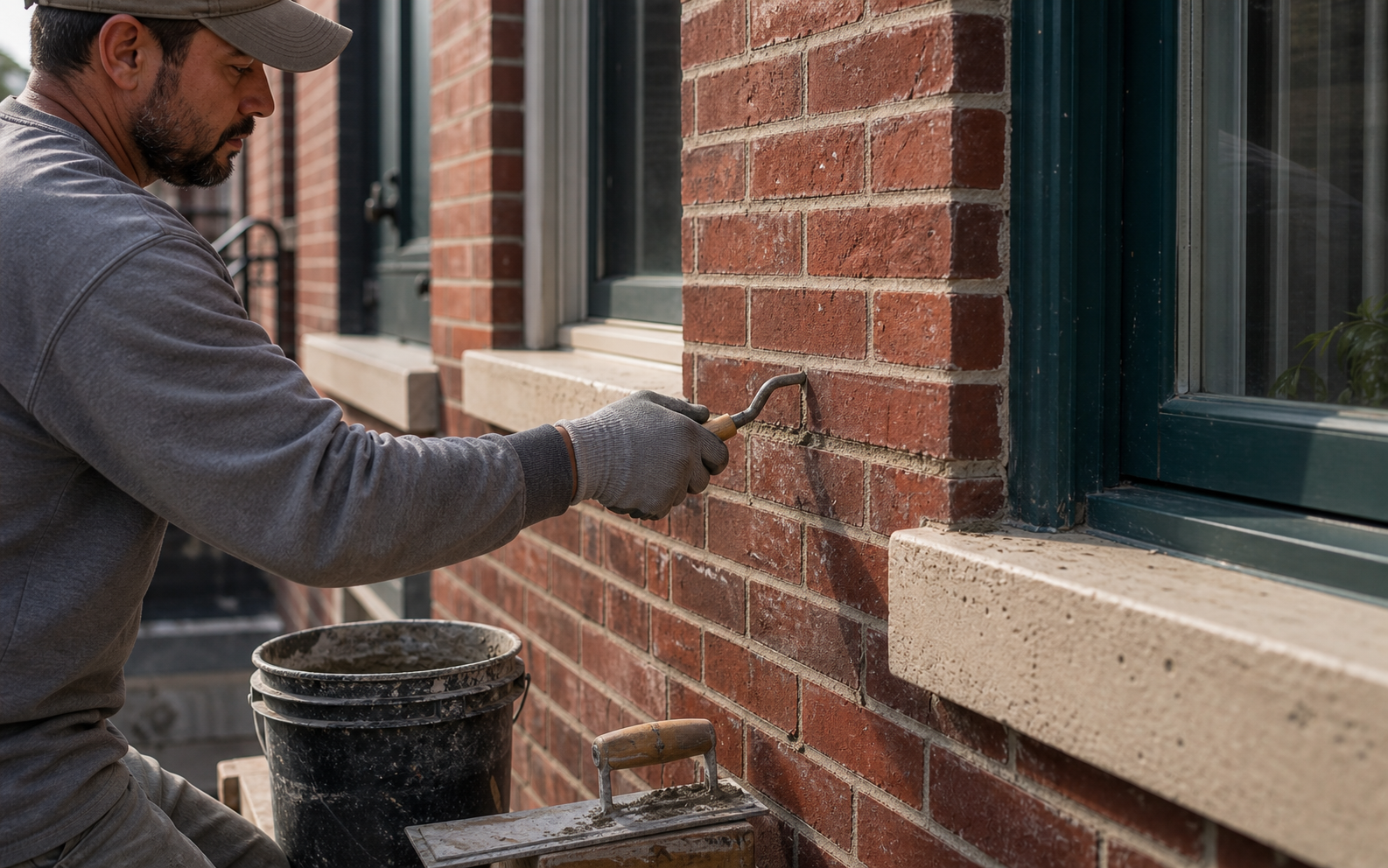
Brick pointing involves carefully removing the damaged mortar and replacing it with fresh, properly matched material to restore the integrity of the wall. In a city like Philadelphia, where many homes and buildings feature historic brickwork, precise brick pointing is especially important for preserving both structural stability and architectural character. Our approach focuses on clean, accurate workmanship and high-quality materials designed to last. The result is stronger masonry, improved weather resistance, and a refreshed, well-maintained appearance that protects your property for years to come.
What This Service Includes
- Joint condition review across street, rear, and alley elevations
- Repointing recommendations for cracked or weathered joints
- Mortar color and tooling guidance for visible facades
- Coordination with brick replacement when units are too damaged
- Maintenance planning after pointing is complete
Why It Matters for Philadelphia Properties
Mortar is designed to be the sacrificial part of a brick wall. When it is renewed with compatible material, water sheds and evaporates more predictably.
Common Warning Signs
- Hairline cracks following bed joints or head joints
- Hollow or loose mortar that falls out under light pressure
- Efflorescence, staining, or damp interior edges
- Open joints around windows, doors, and parapet coping
Repair and Maintenance Considerations
- Pointing should be deep enough to bond, not just spread over the face.
- The new joint profile should shed water while matching the building character.
- Walls with active movement may need diagnosis before repointing hides evidence.
Mistakes to Avoid
- Applying a surface skim that quickly debonds
- Ignoring rowhome party-wall moisture and gutter spillover
- Choosing a joint color without checking a cured sample