
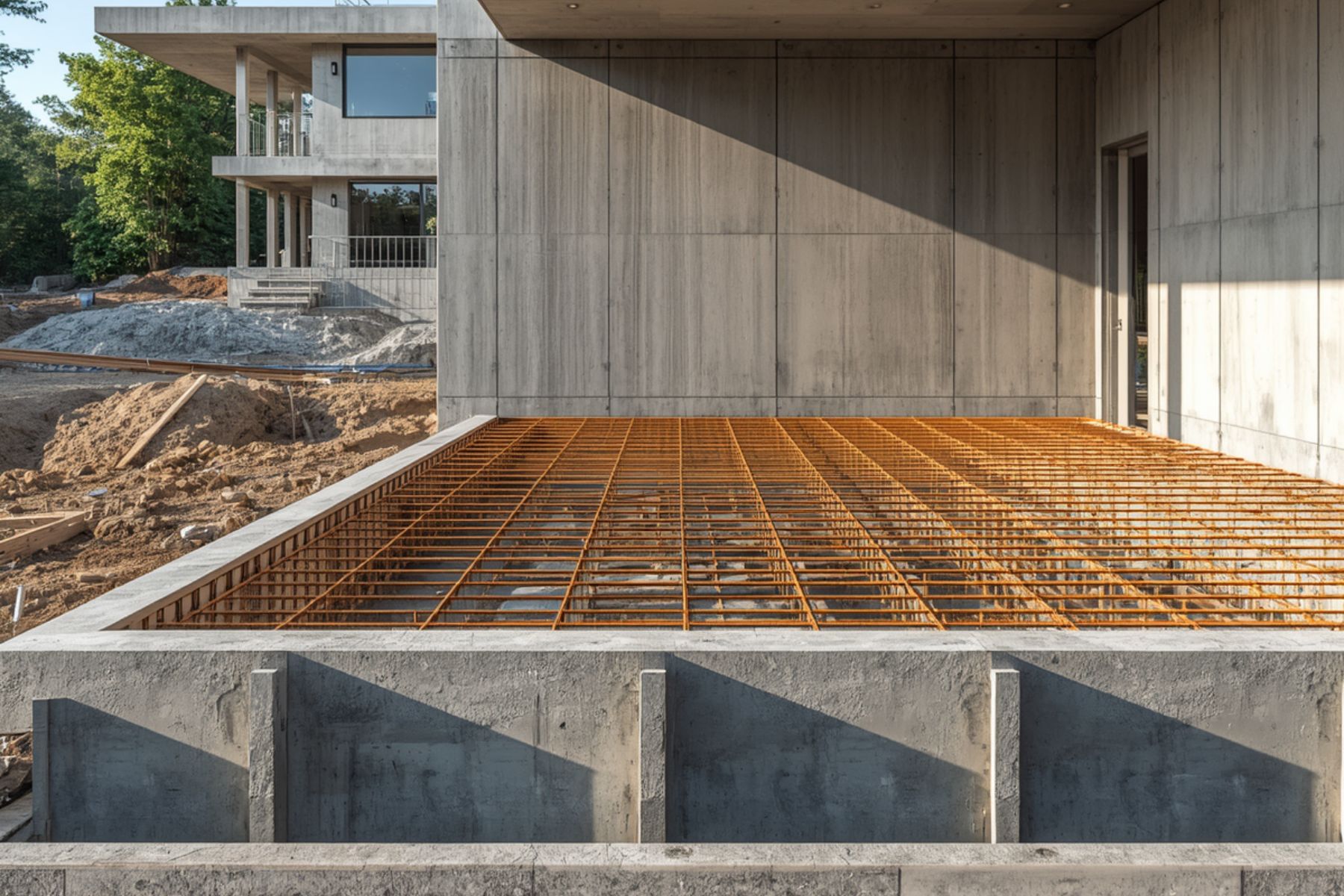
Concrete Foundations
A strong foundation is essential to the safety and stability of any structure. Our concrete foundation services are built on precision, planning, and quality materials to ensure reliable, long-term support. We handle every step of the process, from excavation and formwork to pouring and curing, with careful attention to detail. Proper reinforcement and preparation are key, and we ensure your foundation is designed to handle load, moisture, and ground movement. Whether for residential or commercial projects, we deliver foundations that meet high standards of strength and durability. Our team works efficiently while maintaining strict quality control, so you can feel confident in the final result. With a focus on performance and longevity, we provide a solid base that supports your structure for years to come.
What This Service Includes
- Foundation installation and repair planning
- Crack, water entry, and settlement review
- Excavation and access considerations
- Drainage, waterproofing, and load support coordination
- Guidance for additions, garages, slabs, and retaining conditions
Why It Matters for Philadelphia Properties
Foundation work can affect adjacent masonry, sidewalks, utilities, and occupied spaces. Planning should account for both structural support and water movement.
Common Warning Signs
- Cracks with displacement or repeated water entry
- Settlement near slabs, steps, or additions
- Bowing, leaning, or pressure marks on foundation walls
- Drainage problems that keep soil saturated
Repair and Maintenance Considerations
- Confirm load paths and soil conditions before major work.
- Coordinate waterproofing with drainage rather than relying on coatings alone.
- Use qualified structural guidance for major movement or new loads.
Mistakes to Avoid
- Treating water pressure as a surface issue only
- Ignoring adjacent masonry when excavating
- Skipping structural review for additions or heavy loads
Related Services
FAQ
What causes concrete foundation cracks?
Cracks can result from shrinkage, settlement, soil pressure, water pressure, loading changes, or poor drainage.
Is waterproofing enough for a foundation?
Waterproofing helps, but drainage, grading, gutters, soil pressure, and structural conditions should also be addressed.
When is structural guidance needed?
Use qualified structural guidance for movement, new loads, bowing walls, settlement, or uncertainty about safety.
What is the difference between shrinkage and structural cracks?
Shrinkage cracks are often narrow and stable. Cracks with displacement, horizontal movement, repeated leakage, or related settlement should be evaluated as possible structural concerns.
How does drainage affect concrete foundations?
Saturated soil can add pressure and keep foundation walls damp. Gutters, grading, downspout discharge, and drainage details can reduce stress on the foundation.