Concrete Driveway in Philadelphia, PA
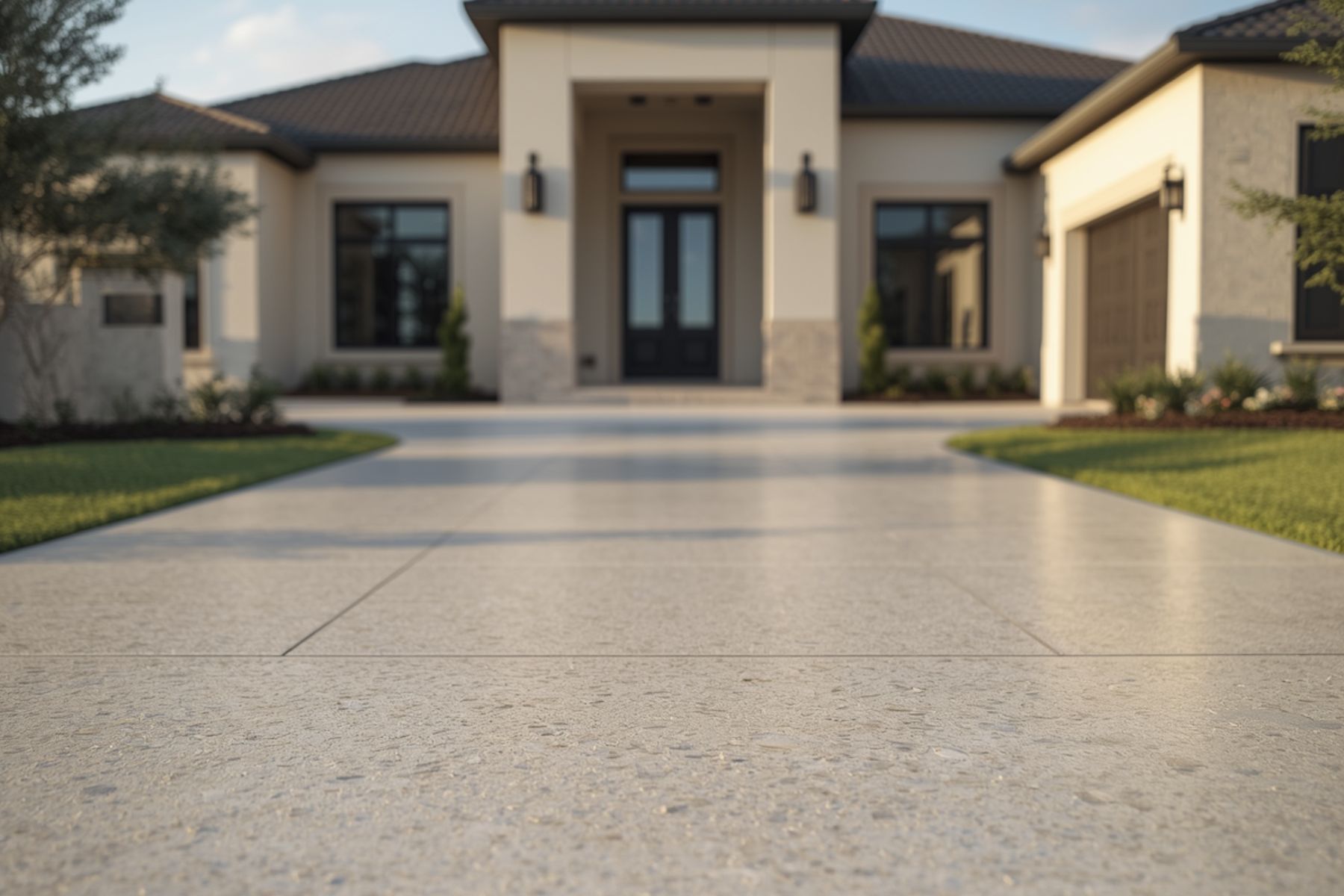
A concrete driveway is one of the most important features of your property, providing both function and curb appeal. Our driveway installations are built to handle daily traffic while maintaining a smooth, clean appearance over time. We start with proper grading and a strong base to ensure stability and prevent future issues like cracking or sinking. Using high-quality materials and precise finishing techniques, we create driveways that are durable and visually appealing. Whether you're replacing an old surface or installing a new one, we tailor the design to suit your property and layout. Our goal is to deliver a driveway that not only performs well but also enhances the overall look of your home. With attention to detail at every step, we ensure long-lasting, reliable results.
What This Service Includes
- Driveway installation, replacement, and repair planning
- Base preparation and slab thickness guidance
- Drainage, pitch, and curb transition review
- Control joint and finish recommendations
- Maintenance planning for salts, tires, and weather
Why It Matters for Philadelphia Properties
Driveways connect street conditions, vehicle loads, masonry walls, garages, and property drainage. A slab that looks simple can still create water or settlement issues if the base and pitch are wrong.
Common Warning Signs
- Cracks that widen under vehicle traffic
- Settled wheel paths or broken slab panels
- Water draining toward the building
- Scaling or salt damage at the surface
Repair and Maintenance Considerations
- Check whether settlement points to a base problem.
- Plan control joints around vehicle paths and slab shape.
- Avoid heavy salt exposure on new concrete.
Mistakes to Avoid
- Pouring over unstable base material
- Ignoring where water exits the driveway
- Skipping joints on long narrow slabs
Related Services
FAQ
Why do concrete driveways crack?
Cracking can come from shrinkage, poor joints, base movement, heavy loads, water, and freeze-thaw stress.
Can a driveway be resurfaced?
Sometimes, but the base and existing slab must be stable. Deep cracks and settlement often point toward replacement.
How important is drainage?
Very important. Driveway pitch should move water away from masonry and occupied spaces wherever the site allows.
How thick should a concrete driveway be?
Thickness depends on expected loads, base preparation, reinforcement decisions, and soil conditions. Residential driveways should be planned around vehicle use and drainage, not just surface appearance.
When can vehicles park on a new driveway?
Vehicle use should wait until the slab has cured enough for the load. The schedule depends on weather, concrete mix, thickness, and curing protection.