All About Older Philadelphia Homes
Older Philadelphia homes are known for their historic brickwork and classic architectural character, but many also come with aging chimney systems that require regular maintenance and repair. Because chimneys are constantly exposed to rain, snow, wind, and temperature fluctuations, they often deteriorate faster than other parts of the home. Over time, small masonry issues can turn into structural problems, water intrusion, or costly rebuilds if left unaddressed.
Understanding the most common chimney masonry problems can help homeowners identify warning signs early and protect the long-term condition of their property.
Deteriorating Mortar Joints
One of the most common chimney issues in older Philadelphia homes is failing mortar joints. As mortar ages, moisture and freeze-thaw cycles gradually cause it to crack, crumble, or separate from the brickwork.
When mortar joints weaken, water can easily enter the chimney structure, accelerating deterioration and reducing overall stability.
Common signs of failing mortar include:
- Cracked or missing mortar between bricks
- Loose masonry near the chimney crown
- White staining or efflorescence on brick surfaces
- Small pieces of mortar collecting on the roof or ground
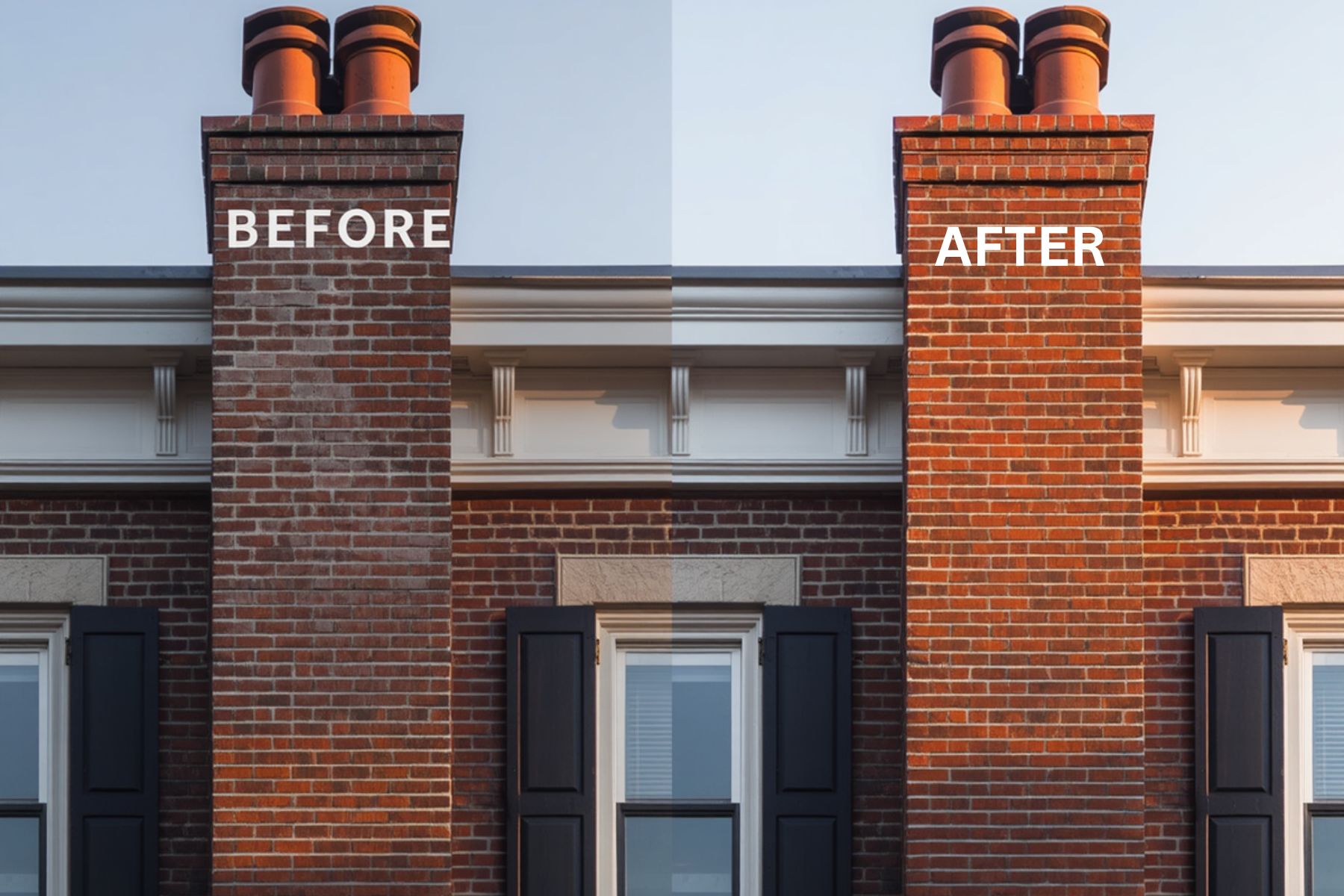
Repointing deteriorated joints with compatible mortar helps restore strength and prevent further water intrusion.
Spalling and Damaged Brickwork
Spalling occurs when brick faces begin to flake, chip, or break apart due to trapped moisture. This is especially common in older chimneys that have experienced decades of exposure to Philadelphia's seasonal freeze-thaw cycles.
When moisture enters the brick and freezes, it expands internally, slowly forcing the outer surface of the brick to detach.
Brick damage may appear as:
- Flaking or peeling brick surfaces
- Cracked or split bricks near the top of the chimney
- Soft or crumbling masonry
- Visible gaps in exterior brickwork
In many cases, spalling worsens when older chimneys were previously repaired with overly hard Portland cement mortar that traps moisture inside the masonry system.
Chimney Crown Cracks and Water Intrusion
The chimney crown is the concrete or mortar cap located at the top of the chimney. Its purpose is to direct water away from the structure. When the crown develops cracks, water can seep directly into the chimney system and surrounding masonry.
Even small crown cracks can allow repeated moisture penetration over time, leading to hidden interior damage and accelerated brick deterioration.
Problems caused by crown damage may include:
- Interior ceiling or wall staining
- Rusted fireplace components
- Damp odors near the fireplace
- Expanding cracks during winter months
Proper crown repair and waterproofing are essential for preventing ongoing moisture-related damage.
Leaning or Structurally Unstable Chimneys
Some older chimneys begin to lean or separate from the home due to foundation movement, deteriorated mortar, or long-term structural stress. This issue should never be ignored, as unstable chimneys can become serious safety hazards.
In Philadelphia rowhomes, shared walls and aging structural systems can sometimes contribute to chimney shifting over time.
Potential causes of chimney movement include:
- Settling foundations
- Water damage weakening masonry
- Corroded metal supports or anchors
- Years of neglected maintenance
A leaning chimney often requires structural reinforcement, partial rebuilding, or full reconstruction depending on the severity of the damage.
Flashing Failures Around the Roofline
Flashing is the metal barrier installed where the chimney meets the roof. Its purpose is to prevent water from entering the home through vulnerable roof joints. When flashing deteriorates or pulls away from the chimney, leaks can quickly develop.
Many homeowners mistakenly assume roof leaks originate from shingles when the actual problem is failed chimney flashing.
Common warning signs include:
- Water stains near attic spaces
- Moisture around ceilings close to the chimney
- Visible rust or lifted flashing material
- Mold or damp insulation near roof penetrations
Proper flashing repair helps protect both the chimney and the surrounding roofing system.
Why Preventative Chimney Maintenance Matters
Many chimney masonry problems begin as minor issues that worsen gradually over time. Because chimneys are exposed year-round, small cracks or failing mortar can quickly develop into major structural concerns if ignored.
Routine inspections and early repairs help:
- Prevent expensive chimney rebuilds
- Reduce water intrusion risks
- Extend the lifespan of masonry materials
- Improve structural safety and stability
- Preserve the appearance of historic Philadelphia homes
Older chimneys require specialized attention, especially when working with historic brick and traditional mortar systems. Proper repairs using compatible materials can significantly improve both performance and longevity while preserving the original character of the home.
Related Guides
FAQ
Can a chimney leak even if the brick looks sound?
Yes. Flashing, cap cracks, small mortar gaps, and roofline details can leak before the whole chimney looks damaged.
Is sealing a chimney enough?
Not if cracks, missing mortar, or cap defects remain. Water management starts with sound masonry and details.