Why Concrete Steps Deteriorate Faster in Philadelphia
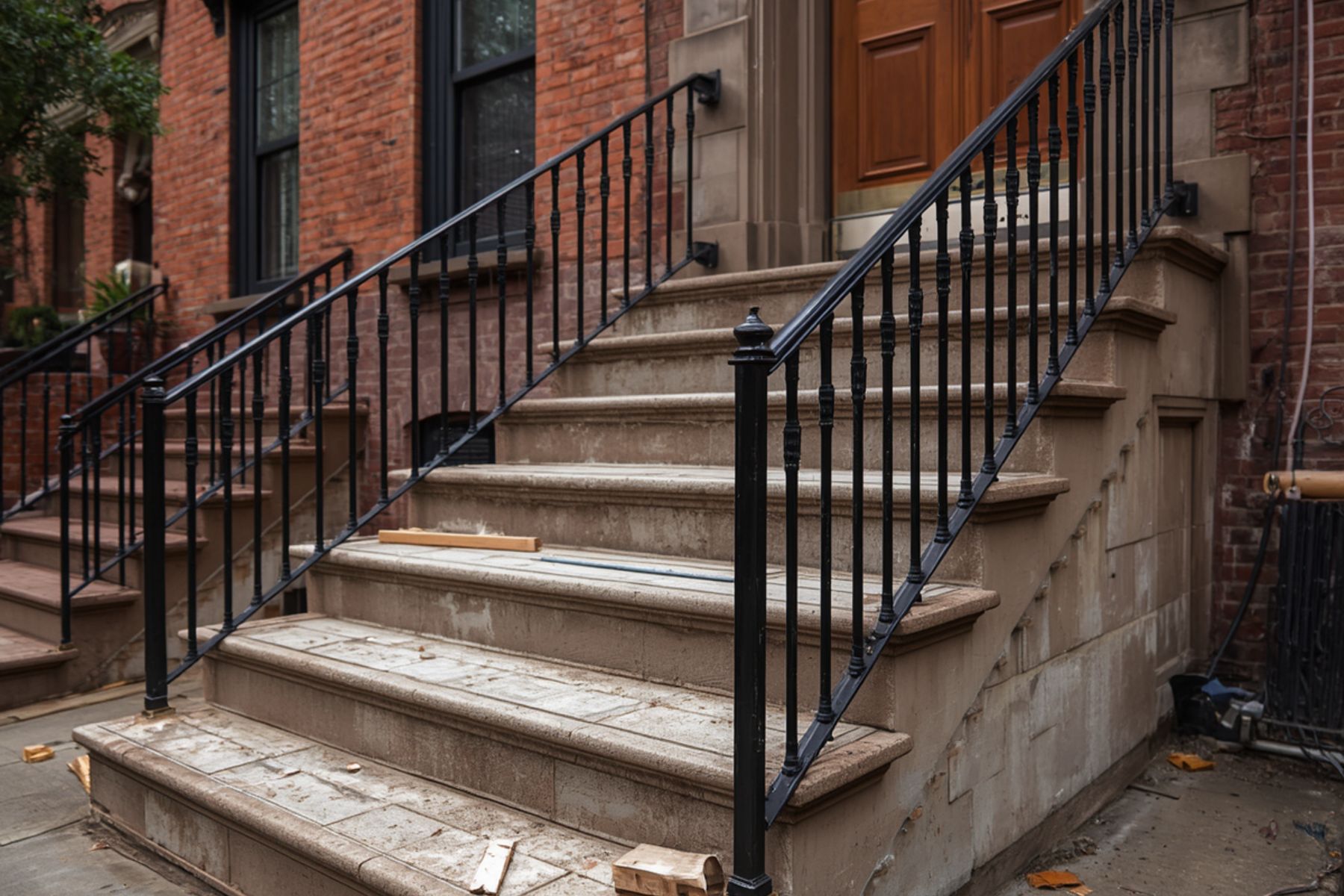
Concrete steps in Philadelphia properties are constantly exposed to harsh seasonal conditions, including rain, snow, humidity, and freeze-thaw cycles. Over time, moisture penetrates small surface cracks, freezes during colder months, and expands internally. This repeated pressure gradually weakens the concrete, leading to cracking, chipping, and surface deterioration.
Older homes and rowhouses are especially vulnerable because many exterior steps have already experienced decades of wear. Poor drainage, de-icing salts, and heavy foot traffic can accelerate the damage even further. Without proper maintenance, minor cosmetic issues can eventually become safety hazards or structural concerns.
Common Warning Signs Your Steps Need Repair
Concrete step damage often starts subtly before becoming more severe. Catching early warning signs can help prevent larger repairs or full replacement later.
Common signs of deteriorating concrete steps include:
- Cracks spreading across step surfaces or corners
- Chipping or flaking concrete edges
- Uneven or sinking steps creating trip hazards
- Water pooling near the base of the stairs
- Rust stains from exposed reinforcement materials
- Loose railings caused by shifting concrete
If these issues are ignored, moisture continues penetrating deeper into the structure, weakening the integrity of the steps over time.
Smart Repair Approaches That Extend Step Lifespan
Not all damaged concrete steps require full replacement. In many cases, targeted repairs can restore both appearance and stability when completed early and with the proper materials. Common repair solutions may include:
- Crack filling and surface patching
- Resurfacing worn or spalled concrete
- Reinforcing weakened step edges
- Re-leveling settled sections
- Improving drainage around the staircase
Proper surface preparation is one of the most important parts of any repair. Simply covering cracks without addressing moisture or structural movement often leads to recurring damage. Long-lasting repairs focus on correcting the root cause, not just the visible symptoms.
Preventative Maintenance Protects Long-Term Value
Routine maintenance helps extend the life of concrete steps while improving safety and curb appeal. Even high-quality concrete requires ongoing protection from moisture exposure and seasonal weather conditions. Preventative maintenance tips include:
- Keeping gutters and downspouts directing water away from steps
- Sealing small cracks before they expand
- Removing standing water and ice buildup promptly
- Avoiding harsh de-icing chemicals that weaken concrete surfaces
- Scheduling inspections when new cracks or settling appear
Well-maintained concrete steps not only improve the appearance of a property but also reduce long-term repair costs and safety risks. For Philadelphia homeowners, proactive repairs are often the best way to preserve both function and structural durability through changing seasons. Contact our concrete team for estimate.
Related Guides
FAQ
Can concrete step edges be patched?
They can be patched when the base is sound and damage is localized, but thin edge repairs are vulnerable if water and salts remain.
When are steps a safety issue?
Loose pieces, major unevenness, rail instability, and deep cracks can become safety concerns and should be addressed promptly.