Why Lime Mortar Matters in Older Philadelphia Masonry
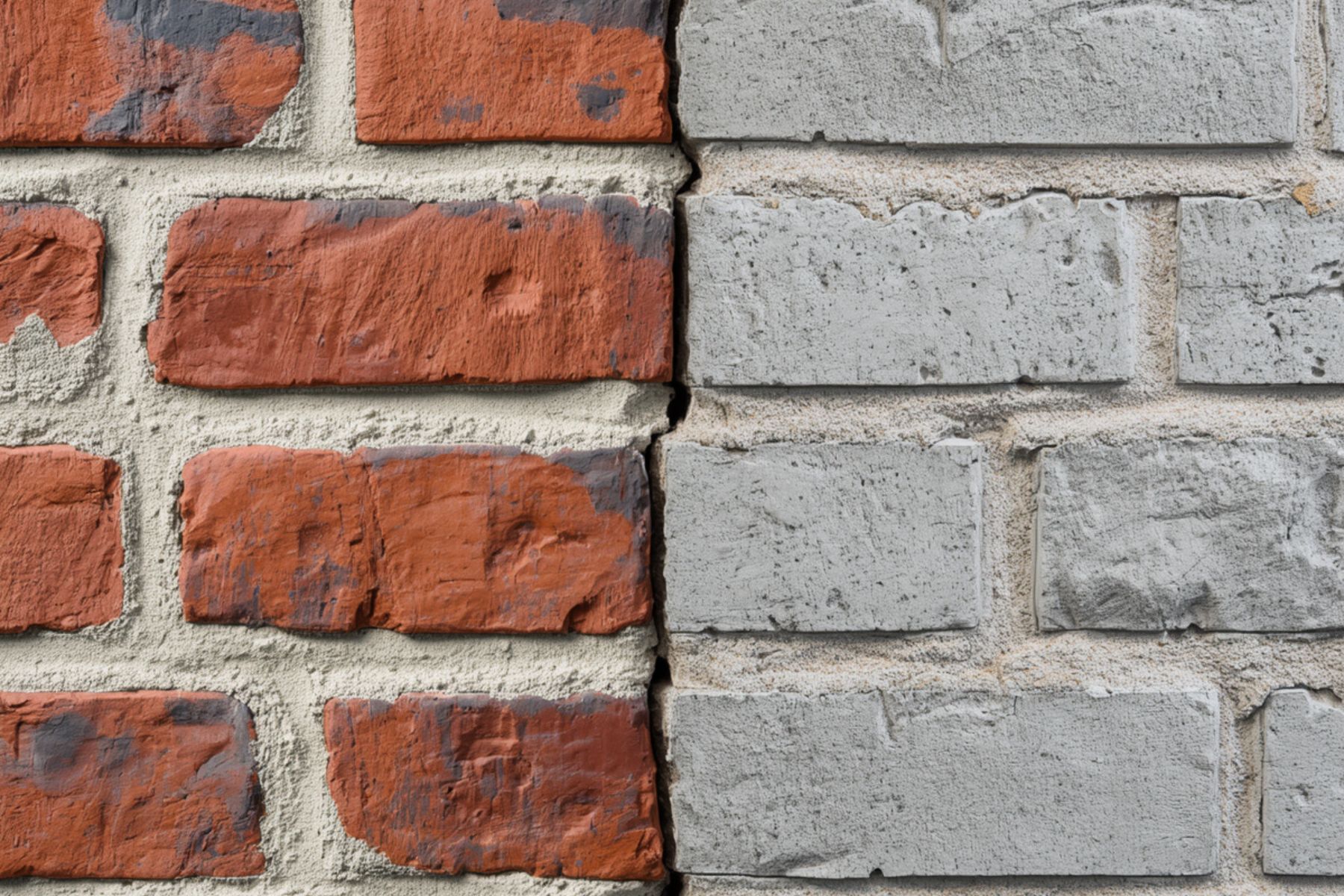
Many older Philadelphia homes were originally built using soft brick and lime-based mortar systems designed to flex, breathe, and release moisture naturally. When these buildings are repaired using modern rigid cement mixes, the mortar can become harder than the brick itself, trapping moisture and forcing the brick to absorb stress. Over time, this often leads to cracking, spalling, and accelerated deterioration. Understanding the difference between traditional lime mortar and modern Portland cement is essential for preserving the long-term health of historic masonry.
What Is Lime Mortar?
Lime mortar is a traditional masonry material commonly used in older brick construction before modern cement became widely available. Unlike rigid cement-based mixes, lime mortar remains more flexible and breathable, allowing moisture to evaporate naturally through the mortar joints instead of becoming trapped inside the brick.
Because many historic Philadelphia row homes were built with softer brick, lime mortar acts as the sacrificial material - meaning the mortar absorbs movement and weathering first, helping protect the brick itself from damage. This compatibility is one of the main reasons lime mortar repointing is often recommended for older masonry structures.
Benefits of Lime Mortar
- Allows masonry walls to breathe and release trapped moisture
- Flexes naturally with seasonal expansion and movement
- Helps preserve soft historic brick from cracking or spalling
- Reduces long-term moisture retention within wall systems
- Supports historically appropriate restoration methods
What Is Portland Cement?
Portland cement is a modern masonry material known for its high strength and fast curing properties. While it performs well in newer construction, it can become problematic when applied to older brick structures originally designed for softer lime mortar systems.
Because Portland cement is significantly harder and less breathable, it can trap moisture inside older brick walls. As temperatures fluctuate, trapped moisture expands and contracts, often causing the surrounding brick to crack, flake, or deteriorate over time. In many historic masonry repairs, the damage comes not from age alone - but from incompatible cement-based repairs completed decades later.
Common Concerns with Rigid Cement Mixes
- Traps moisture inside older masonry walls
- Can accelerate brick deterioration and surface spalling
- Places stress on softer historic brick during freeze-thaw cycles
- Reduces the wall's natural flexibility and breathability
- Often leads to costly long-term restoration work if improperly used
Why hardness can become a problem
A dense Portland-heavy mix can trap moisture and concentrate stress. The wall may look freshly repaired at first, but freeze-thaw cycles can push damage into the brick instead of the joint.
- Match mortar to the brick, not to a generic specification.
- Consider vapor movement and drying time.
- Use sample panels for color, texture, and tooling.
How owners can ask better questions
Ask what mortar type is proposed, how joints will be prepared, and how the repair will handle water exposure at parapets, chimneys, and wall tops.
Related Guides
FAQ
Is Portland cement always wrong for old masonry?
No. The concern is compatibility. The right mix depends on the brick, exposure, wall condition, and repair goals.
Why does breathability matter?
Older masonry often needs to release moisture. Dense repairs or coatings can slow drying and worsen freeze-thaw damage.