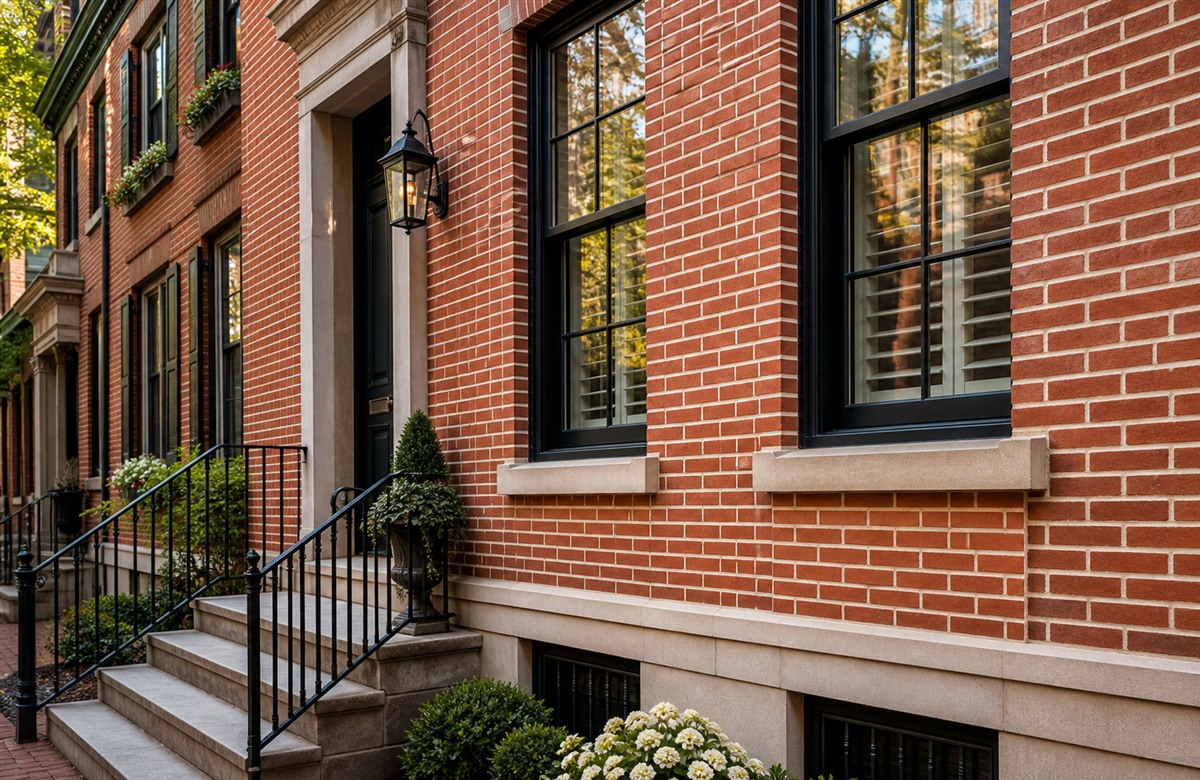

Why Philadelphia Rowhomes Develop Stair-Step Cracks
Stair-step cracks are one of the most common masonry issues found in older Philadelphia rowhomes. These cracks usually appear in a zigzag pattern along mortar joints and often form near windows, doors, corners, or foundation walls. While they may seem cosmetic at first, stair-step cracks can indicate underlying movement, moisture problems, or structural stress that should not be ignored.
Philadelphia's historic housing stock is especially vulnerable because many rowhomes were built more than a century ago using softer brick and lime mortar systems. Over time, environmental exposure, settling foundations, and improper repairs can all contribute to cracking masonry. Understanding what causes these cracks is the first step toward protecting your property from more extensive damage.
Foundation Settlement and Structural Movement
One of the leading causes of stair-step cracks is foundation settlement. As soil beneath a home shifts, compresses, or becomes saturated with water, parts of the foundation may move unevenly. When this happens, stress travels upward through the masonry walls, causing mortar joints to crack in a stair-step pattern.
Philadelphia rowhomes often share structural walls with neighbouring properties, meaning movement in one section of the building can affect adjoining masonry as well. Even small amounts of settlement can create visible cracking over time, especially around openings like doors and windows where walls are naturally weaker.
In some cases, settlement occurs gradually over decades. In others, poor drainage, leaking gutters, or water intrusion accelerate soil instability and structural shifting.
Moisture and Freeze-Thaw Damage
Moisture is another major factor behind masonry cracking in Philadelphia homes. Brick and mortar naturally absorb water over time. During winter, trapped moisture freezes and expands, placing pressure on masonry materials. As temperatures rise, the ice melts and contracts again. This repeated freeze-thaw cycle slowly weakens mortar joints and surrounding brickwork.
When moisture problems go unresolved, cracks often widen and spread. Water intrusion around rooflines, parapets, chimneys, and damaged flashing can all contribute to ongoing deterioration. Homes with older brick are particularly susceptible because historic masonry was designed to breathe and release moisture naturally.
Improper sealing or incompatible repairs can make this problem worse by trapping water inside the wall system instead of allowing it to evaporate.
The Problem With Hard Portland Cement Repairs
Many Philadelphia rowhomes originally used lime mortar, which is softer and more flexible than modern Portland cement mixes. Lime mortar allows buildings to shift slightly and release moisture through the joints. Unfortunately, many older homes have been repaired over the years using hard cement-based mortar that is incompatible with historic brick.
When rigid mortar is installed on softer masonry, the wall loses flexibility. Instead of the mortar absorbing movement and weathering, the brick itself begins to crack and deteriorate. This often contributes to stair-step cracking, spalling brick faces, and long-term structural damage.
What appears to be a simple crack may actually signal years of trapped moisture and improper masonry repair methods.
Why Early Repairs Matter
Not every stair-step crack indicates a major structural emergency, but all cracks deserve proper evaluation. Small cracks can allow water into the wall system, leading to further deterioration, interior damage, and more costly repairs later.
Early intervention may involve repointing deteriorated mortar joints, correcting drainage issues, stabilizing affected sections, or addressing foundation movement before it worsens. In many cases, targeted masonry repairs completed with compatible materials can significantly extend the lifespan of the structure.
The key is identifying the root cause instead of simply covering the crack.
Protecting Historic Philadelphia Masonry
Philadelphia rowhomes are known for their character, craftsmanship, and architectural history. Preserving these buildings requires more than cosmetic patchwork. Proper masonry care means understanding how older brick structures were originally designed to function and using repair methods that support long-term durability.
Whether caused by settlement, moisture intrusion, or previous improper repairs, stair-step cracks should never be ignored. A professional assessment can help determine whether the issue is cosmetic, structural, or moisture-related - and what steps are needed to protect the integrity of the home moving forward.
Related Guides
FAQ
Are stair-step cracks always serious?
Not always, but they deserve context. Movement, displacement, water entry, or repeated growth raises the concern level.
Can repointing fix stair-step cracks?
Repointing can close failed joints, but it does not solve settlement, lintel movement, or drainage problems by itself.